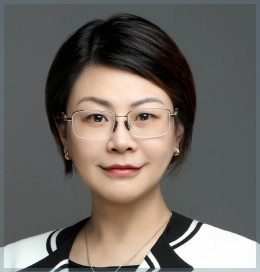
Rui Chen, Ph.D.
Director of Department of Plastic Surgery, Renji Hospital
Party Branch Secretary
Chief Physician
Department of Plastic Surgery
Renji Hospital, Shanghai Jiao Tong University School of Medicine
Shanghai, 200127, China
Education & Academic Position
2024-Present Director of Department of Plastic Surgery, Renji Hospital & Party Branch Secretary
2022-Present Chief Physician,Renji Hospital
2003-2008 Ph.D., Shanghai Jiao Tong University School of Medicine
Research Interests:
- Pathological scar immunology and multimodal therapy
- Multidisciplinary treatment (MDT) and one-stage reconstruction for skin and soft tissue malignancies
- Periorbial and midfacial aesthetic medicine with graded anti-aging strategies
Selected Publications:
- Lou, F., Liang, J., Sun, Y., Zhang, F., Cai, X., Deng, S., Xu, Z., Peng, Q., Xu, A., Chen, R*., Wang, H*. Catecholaminergic neurons boost fibroblast osteogenic activity in keloid. Commun. 2026, in press.
- Zhang, W., Peng, Q., Huang, X., Huang, Q., Zhang, Z., Li, F., Zheng, N., Shi, B., Fan, Z., Maj, T*., Chen, R*. Microbiota dysregulation and IL-8 signaling axis in keloid pathogenesis. PNAS Nexus 2024, 3, 273-288.
- Yin, S., Chen, A., Ding, Y., Song, J., Chen, R*., Zhang, P*., Yang, C*. Recent advances in exosomal RNAs analysis towards diagnostic and therapeutic applications. TrAC Trends Anal. Chem. 2023, 158, 116840.
- Hu, J#., Chen, R#., Li, Z., Wu, F., Yang, Y., Yang, Y., Li, X., Xiao, J. Polyphenol-coordinated supramolecular hydrogel as a promising “one-stop-shop” strategy for acute infected wound treatment. Mater. Today 2022, 29, 12.
- Yang, C., Wang, L., Weng, W., Wang, S., Ma, Y., Mao, Q., Gao, G., Chen, R*., Feng, J*. Steered migration and changed morphology of human astrocytes by an applied electric field. Exp. Cell Res. 2019, 374, 282-289.
Catecholaminergic neurons drive fibro-osseous reprogramming of keloid fibroblasts via ADRB1-TSN signaling axis
Rui Chen
Department of Plastic Surgery, Renji Hospital
Shanghai Jiao Tong University School of Medicine,China
Abstract
Keloids are fibroproliferative disorders characterized by excessive extracellular matrix deposition and progressive growth, yet the neuro‑stromal mechanisms driving fibroblast dysregulation remain incompletely understood. Previous studies have well explained the hyperproliferative process during early and active phases of keloids through inflammatory‑fibroblast activation and fibrotic signaling pathways such as TGF‑β. However, as a chronic, recurrent, and multifactorial disease driven by genetic, immune, mechanical, and hormonal factors, many causes underlying disease progression or recurrence remain elusive.
Here, we identify a catecholaminergic neuron‑fibroblast signaling axis that promotes fibro‑osseous reprogramming of keloid fibroblasts. Using single‑cell RNA‑sequencing of human keloid specimens, we discover a RUNX2⁺ osteogenic fibroblast subpopulation that ectopically produces the bone matrix protein IBSP, accompanied by aberrantly dense tyrosine hydroxylase‑positive adrenergic nerve fibers. Mechanistically, norepinephrine/epinephrine activate ADRB1 on keloid fibroblasts, triggering the canonical cAMP‑PKA‑CREB pathway and upregulating the RNA‑binding protein TSN, which translocates IBSP mRNA from the nucleus to the cytoplasm for efficient translation. In a rat stretched‑wound model recapitulating keloid‑like pathology, sympathetic denervation or pharmacological blockade of ADRB1 with metoprolol effectively suppresses IBSP deposition, collagen accumulation, and scar hypertrophy. Our findings reveal that catecholaminergic nerves directly reprogram fibroblast osteogenic activity via an ADRB1‑cAMP‑PKA‑CREB‑TSN post‑transcriptional axis, and provide a mechanistic rationale for repurposing β1‑adrenergic antagonists as a targeted therapy for keloid disease.